 Rome in Tours

Tours
Galleria Doria Pamphilj
When a marriage between two families is reflected in the union between art and politics
- Avoid the crowd
- Duration
- 1,5h
- Meeting Point
- View on Google Maps
- Meeting Point
- Via del Corso, 304
- Meeting Time
- Flexible
- Included
- Ticket and guide fees, radios for party of 6 people or more
- Not Included
- Gratuities
- Logistic
- Pick up and drop off with van and professional driver can be arranged. Please enquire
- Sites Visited
The Private Apartments consists of: the Throne Room, the Blue Room, the Green Room, the Yellow Room, the Red Room, the Venus’ Dressing Room, Velvet Hall, Aldobrandini Hall, Sala del Poussin, Ball room and the Cortile del Bramante.
What to expect
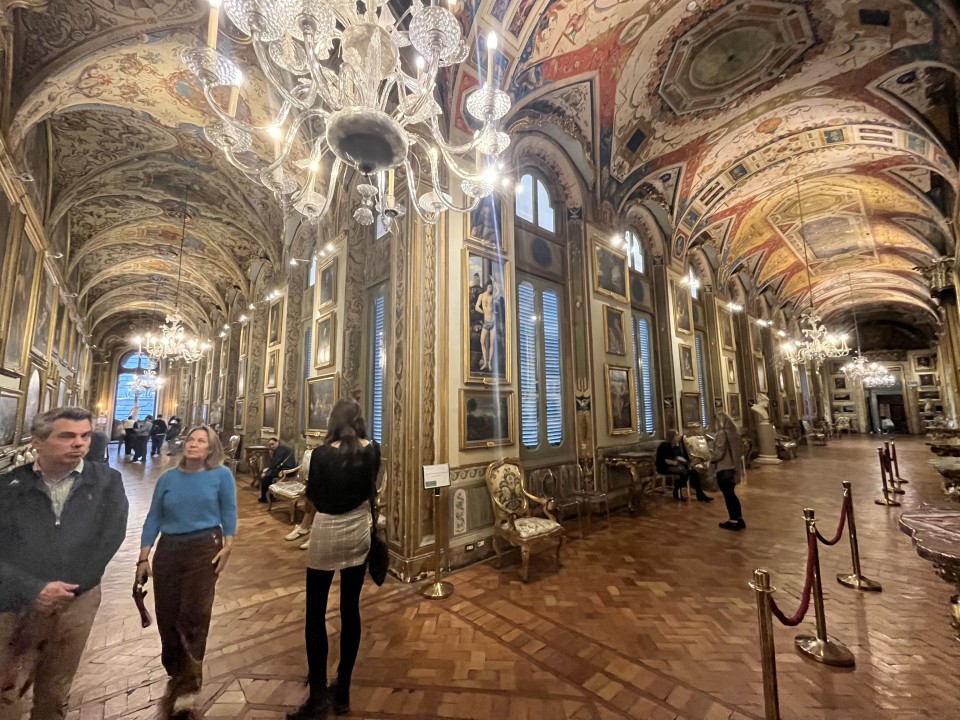
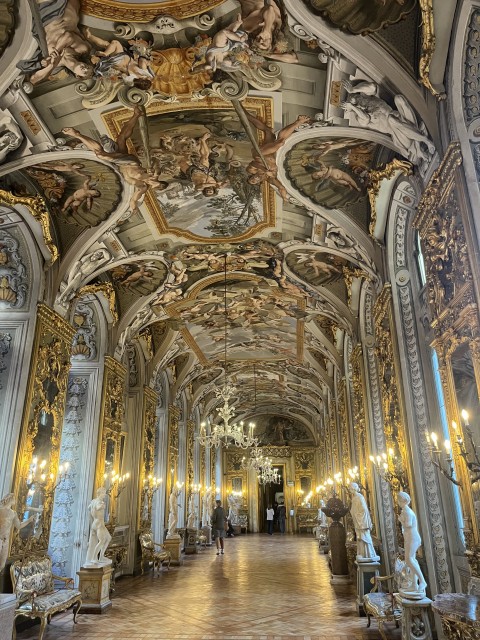
Over 500 years of history of collection by two illustrious families merging their art belonings to create a unique display in a sumptuous and elegant context!
Another chance for Rome to become a venue where art is a reflection of political power of leading families. After centuries we can take advantage of this cinycal view of art as a vehicle of messages, depriving it of all the frills of greediness typical of the collectors and enjoying the pureness of beauty instead!
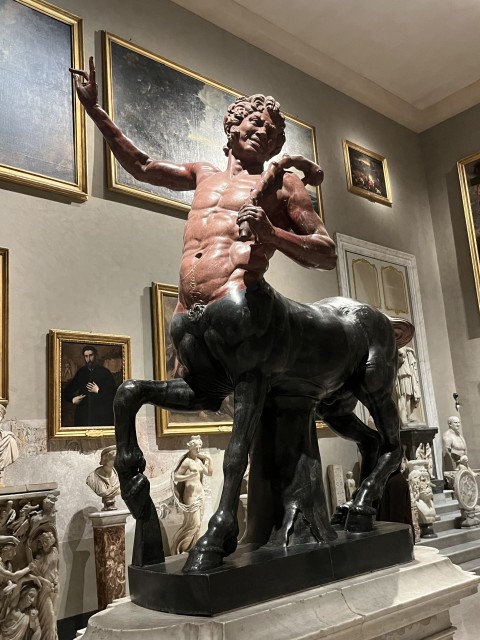
No doubt this is a collection full of taste, the only one in Rome where it is still possible to put together the structure of a museum with a very peculiar logic of exhibition and a residence where the owners still live, making this a unique example in Rome of a private museum made available to the community.
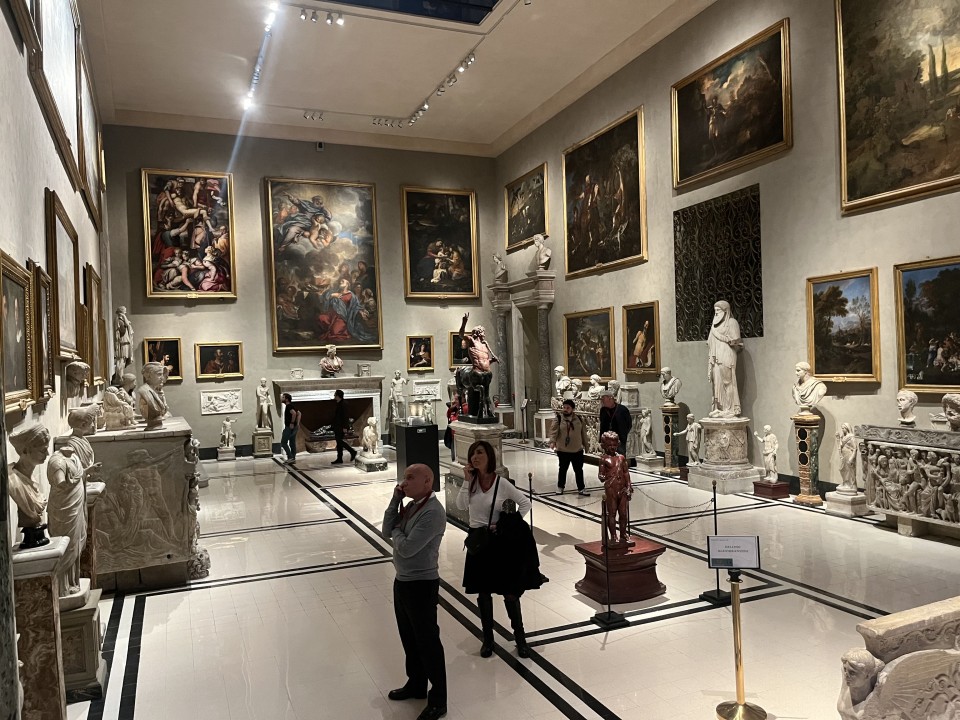
The criteria for arranging the works do not correspond infact to modern museum displays with sequences of paintings by school or era, but are presented with combinations centered on subject and format. Furthermore, the canvases that cover entire walls are not isolated, but rather crowded together as in the princely Roman collections of the eighteenth century.
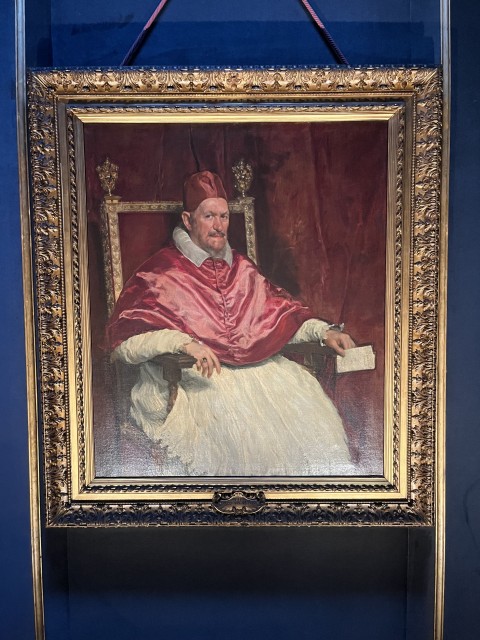
Besides, the Doria Pamphilj is a trust established in 1651 by Pope Innocent X, to preserve the family's immense artistic and real estate heritage, binding it to male primogeniture for centuries. This legal instrument guaranteed the preservation of this asset preventing the dispersion of the estate.
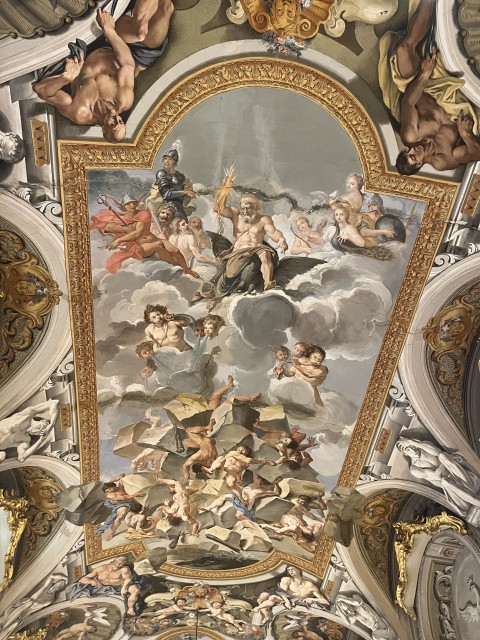
Let's wonder then at masterpieces by Caravaggio, Tiziano, Raffaello, Carracci, Bernini e Velasquez together with sculptures, busts, sarcophagi and tapestries. While wandering through the rooms once used by the Doria-Pamphilj family members, we'll enjoy art works of the XVI and XVII century in a House-Museum!